


We All Share a Deep Need to Know That We Matter.
Mattering in Action brings the science of mattering to life — in classrooms, on campuses, and in communities. We believe every person has the power to help someone else feel seen, valued, and needed. That power is the foundation of healthier schools, stronger relationships, and more resilient young people.
Learning about ideas changes minds. Putting them into action changes lives.
We translate decades of interdisciplinary scholarship into practice — designing school communities where every person experiences genuine belonging, purpose, and connection. We move beyond mental health to relational health: the foundational human fabric that holds communities together and makes transformation possible.
When people know they matter, they act like it. They show up for each other. They become architects of change — in their classrooms, their schools, and beyond.
The Mattering in Action Network
Students, faculty, administrators, and staff on campuses across the country are working to create communities where people are seen, valued, and needed.
The need is universal. The deficit is real.
Today, students and teachers report persistent feelings of sadness, isolation, and burnout. Behind that are real people who feel unseen, unimportant, or unneeded — the exact opposite of mattering. And the pattern doesn't end at graduation: it follows students into college and shapes the educators standing in front of them every day.
The good news: mattering is not complicated, and it is not out of reach. Decades of research point to a clear, practical path forward — and that path starts with people like you.

The good news? Everyone can contribute.
You don’t need a title to show someone that they matter.
Mattering is built on a simple balance that decades of scholarship correlate with powerful mental health outcomes: feeling valued, and adding value to others. Every teacher, student, parent, coach, and neighbor already has what it takes to help someone else feel that balance — through attention, through showing someone they're important, through relying on what they bring to the table. In a culture increasingly shaped by technology - from A.I. to social media, the need to prioritize relational skills is urgent.
Join us to make your school more human.
Small, consistent actions — noticing someone, telling them why they're important, counting on them for something real — are how the mattering deficit gets closed. One relationship at a time.
.
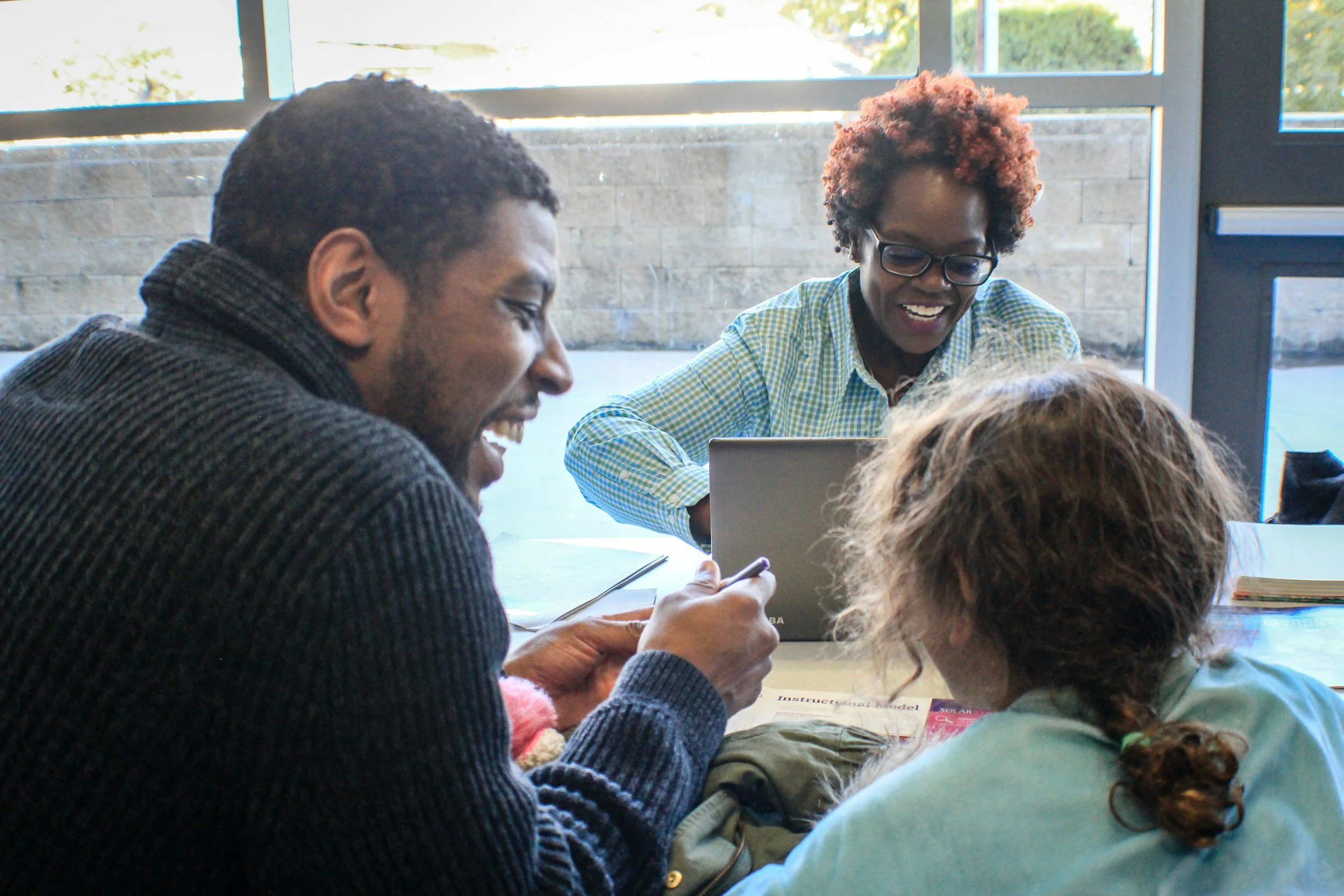
Wherever you are, there’s a place to start.
Find your path.
For Educators & Campus Leaders
Bring Mattering Centered Education™ into your classroom or school with free, ready-to-use resources built on the science of mattering. Join Higher Ed Mattering in Action (HEMA), our community of faculty and administrators bringing mattering to campuses across the United States.
For Students
Join the Youth Leadership Council or Collegiate Mattering Council or start a chapter on your campus and help lead mattering among your peers — because young people are at the center of this work, not just the subject of it.
For Researchers
Connect with our Mattering-Centered Education (MCE) research team, a growing hub of experts globally bringing applied, interdisciplinary research to educational practice and meaningful social change.

From Science to Practice.
Built on 40+ years of research. Designed for real classrooms and campuses.
We are the first organization to apply the science of mattering directly to the architecture of education — through Mattering Centered Education™ (MCE). The result: measurably stronger mental health, physical health, and academic outcomes for students, and healthier, more connected school and campus communities.
My main takeaway is that success shouldn't come at the cost of mental health, and that feeling valued — mattering — can actually change how we handle pressure and how we see ourselves.